
Emergency boarding up for damaged doors and windows.
After a break-in, accident, storm damage or vandalism, an engineer can board up damaged doors and windows until they are repaired. If a crime is happening now, call 999.
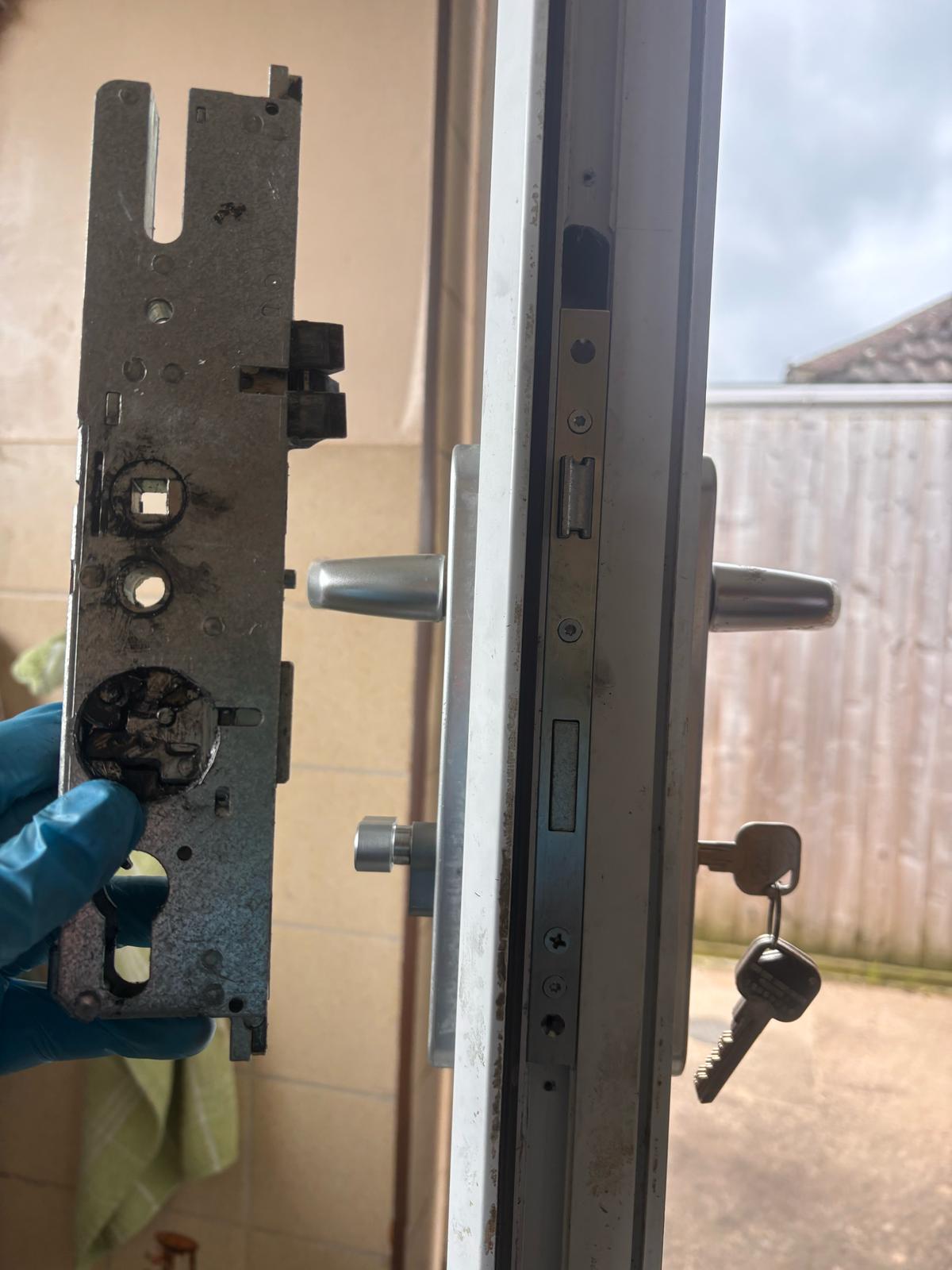
Boarding up after a break-in: what to do first and what the job covers.
If someone is breaking in now, or may still be inside, leave and call 999. Once it is safe, call 101 to report the break-in and ask for a crime reference number, which your insurer is likely to ask for. Take photos of the damage before anything is moved or boarded.
Then secure the opening. Boarding up is a temporary measure for a door, window or shopfront that has been damaged and cannot be locked. The engineer fixes boards across the opening, working from inside the frame where the damage allows so they are harder to lever off. The engineer tells you the method and the price is agreed on the phone first.
Boarding is not a permanent repair. It holds the opening secure until the door, window or glazing can be replaced. If a lock change or a temporary fix to the door would do instead, the engineer tells you, so you only pay for what is needed.
After a break-in, the lock matters as much as the door. If the lock was forced or keys may have been taken, the engineer can replace the lock once the opening is secure. A boarded door with a damaged lock is not secured.
What to expect
- ✓24/7 callouts
Calls are taken around the clock, including bank holidays, and the job goes to the engineer covering your postcode.
- ✓Price agreed first
Boarding up is not on the price list, so the price is agreed on the phone before the engineer sets off.
- ✓Lock replacement
If the lock was damaged in the break-in, the engineer can replace it once the opening is secure. If a part has to be ordered, you are told before any work starts.
- ✓Evidence for your insurer
Take your own photos of the damage and the boarding, and keep your crime reference number. Your insurer will say what else they need.
- ✓Homes and business premises
Doors, windows, shopfronts and garage doors. Tell us everything that is damaged when you call so one visit covers it.
Doors, windows and shopfronts we board up.
From your call to a secured opening.
A real person answers and takes the address and what has been damaged. The job goes to the engineers covering your postcode, and the closest available engineer takes it.
On arrival the engineer tells you how they will secure the opening and how long it will take before starting. Boards and fixings are chosen to suit the frame and the wall around it.
Once the opening is secure, the engineer checks the lock and the door. A damaged lock can be replaced, and if a part has to be ordered, you are told before any work starts.
For your insurance claim, keep the crime reference number from 101 or 999 and your own photos, and ask your insurer what else they need.
One call, one fixed price, one engineer.
Call us
A real person answers, 24/7. We confirm your job, postcode, and quote on the phone — in writing on text if you’d like.
Engineer dispatched
The closest available engineer in your area heads to you. We usually quote 30–40 minutes.
Job done
Quoted price is the price you pay. Card or cash.
Covered
12-month warranty on every lock and part we fit.
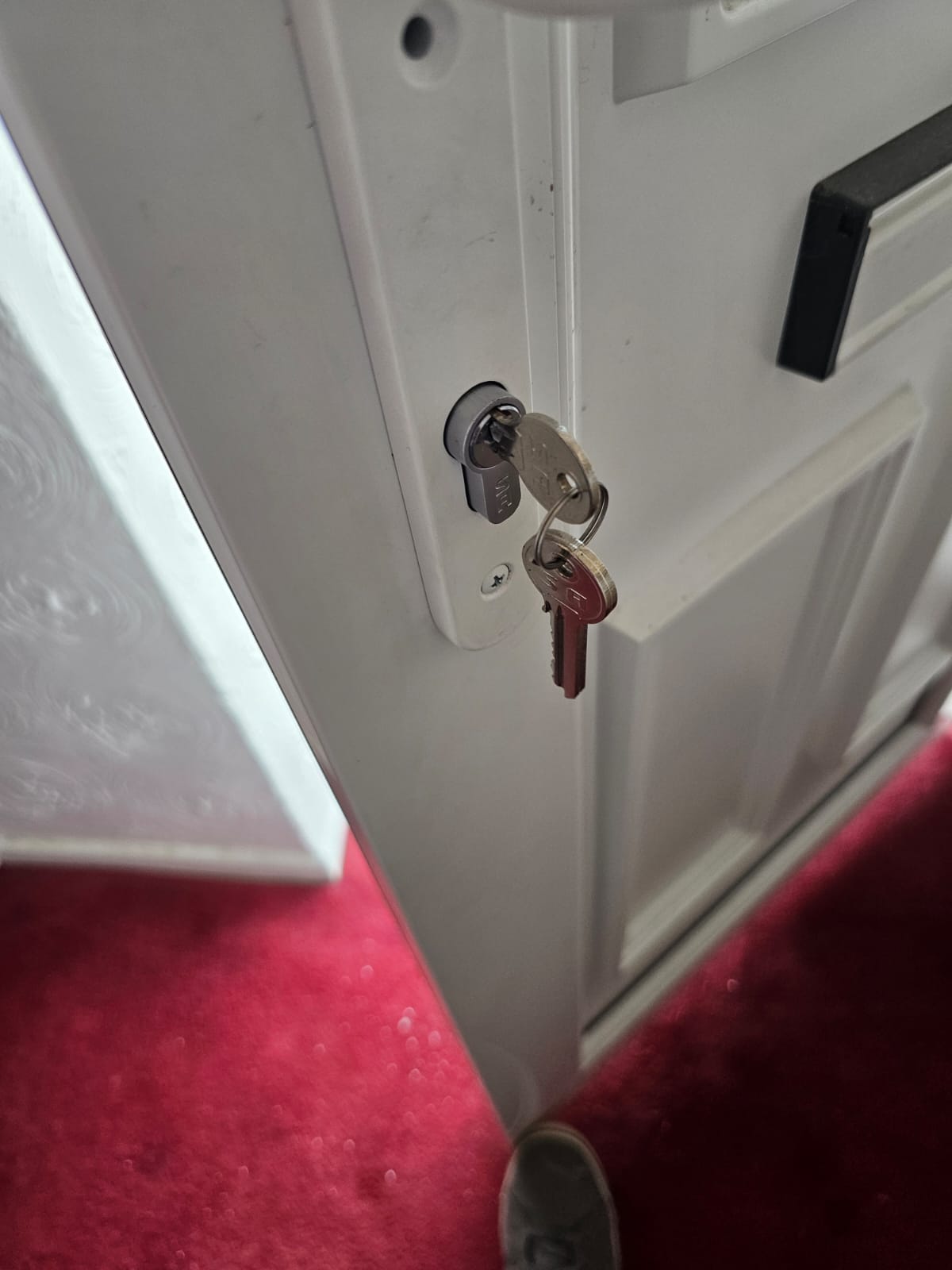
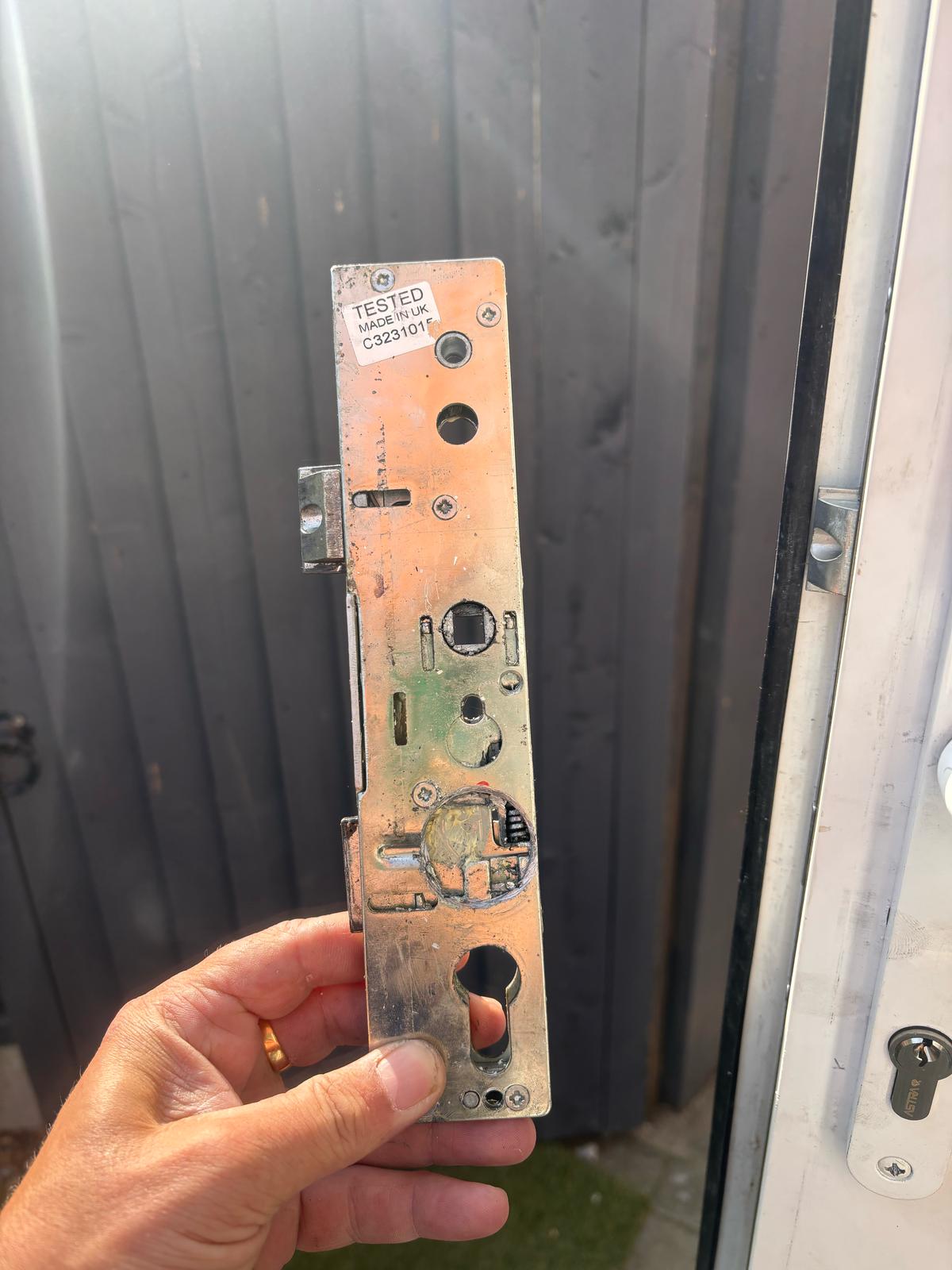
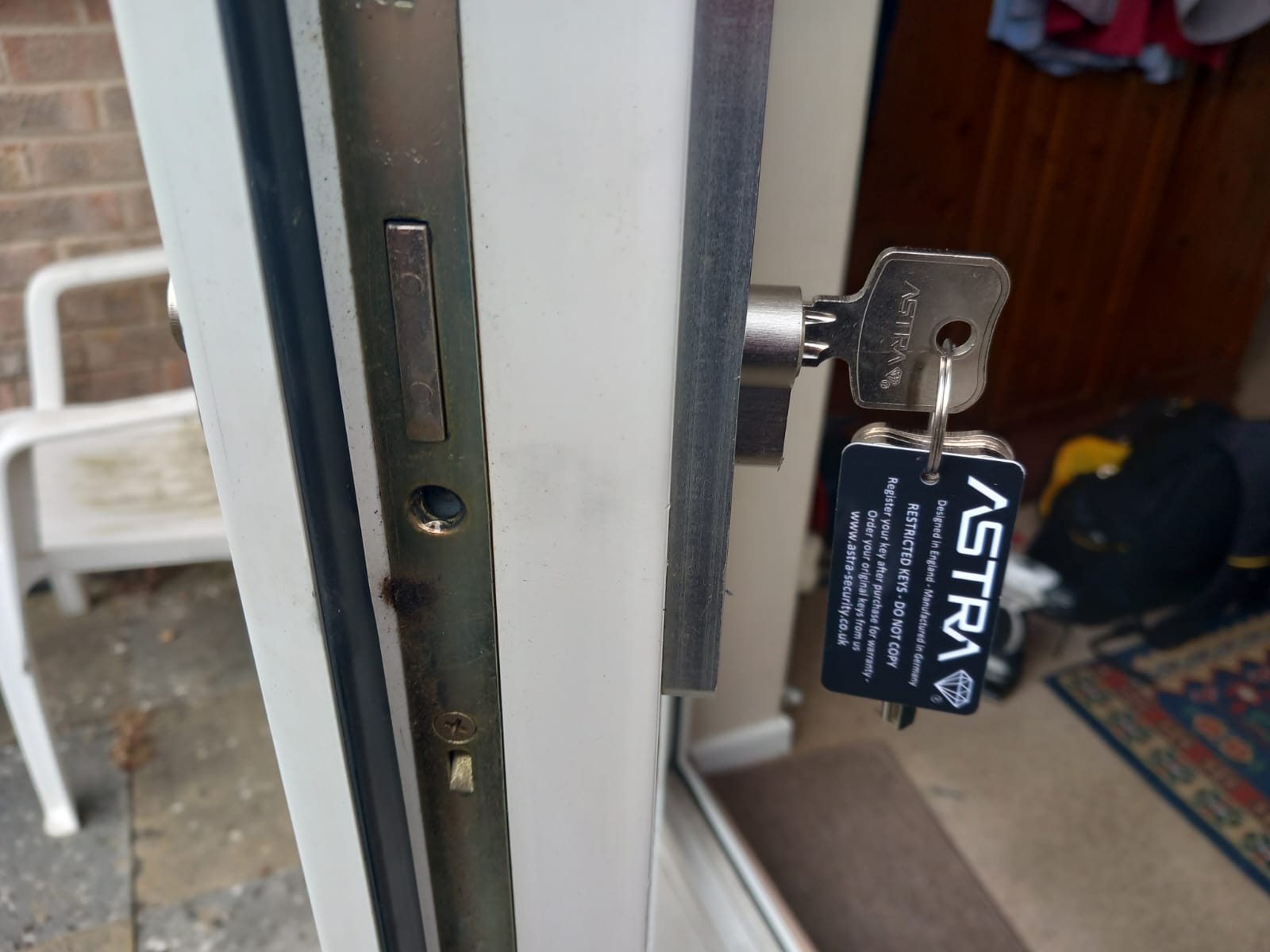
Real jobs. Real results.
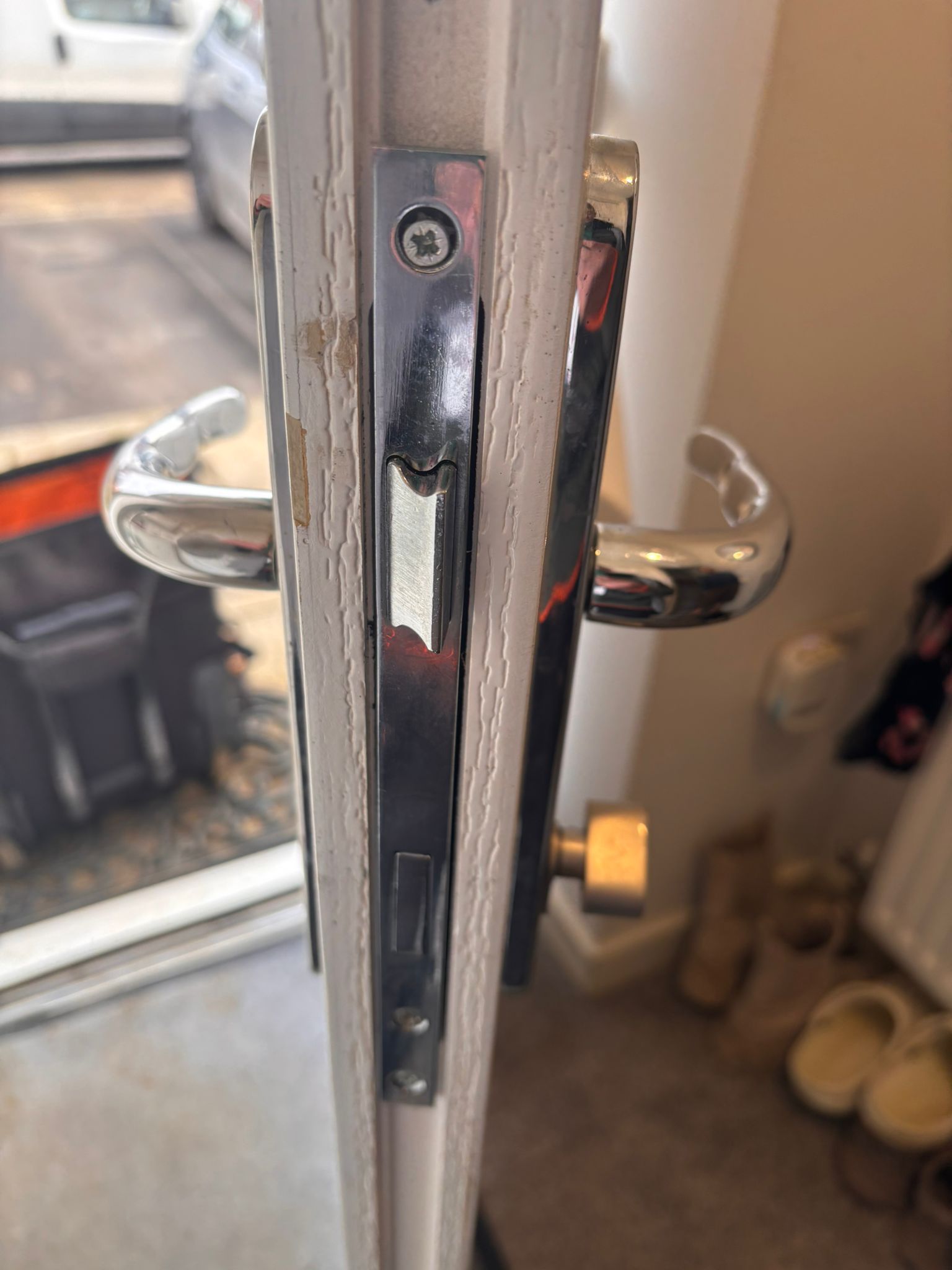
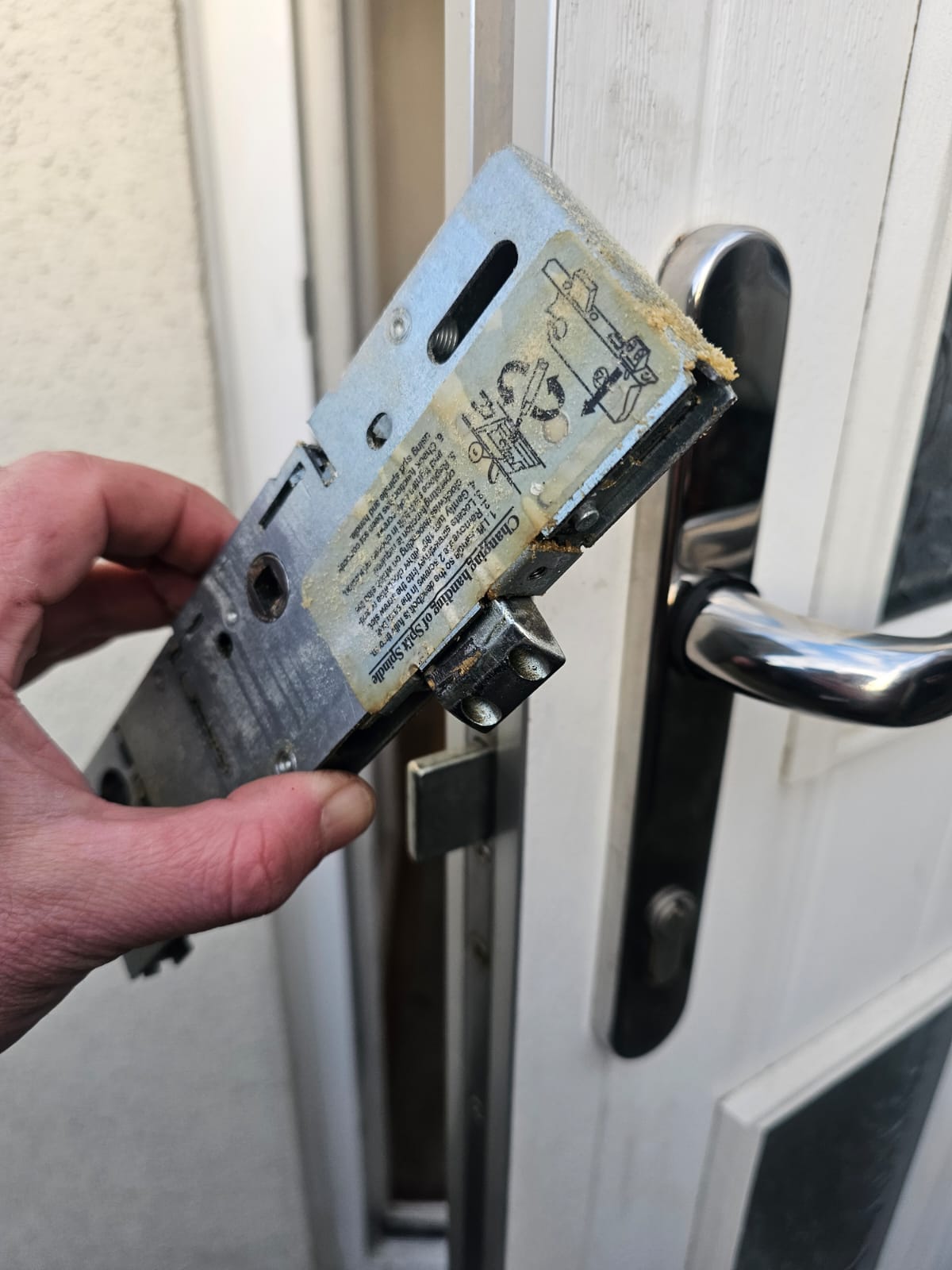
Photos from our engineers’ recent jobs.
Boarding up questions.
When break-ins peak
After a break-in the first job is making the door secure. These are the towns we cover where police recorded the most burglaries in a single month, within about a mile of the town centre:
- Central London: 121 in October 2025
- Lambeth: 116 in December 2025
- Southwark: 116 in December 2025
- Westminster: 113 in November 2025
- Bristol: 103 in January 2026
- Islington: 96 in June 2026
- Kensington & Chelsea: 83 in July 2026
- Camden: 77 in September 2025
- Lewisham: 77 in August 2026
- Birmingham: 76 in October 2025
Each town page shows its own figure and the local neighbourhood policing team.
Source: data.police.uk street-level crime data (locations are approximate). Contains public sector information licensed under the Open Government Licence v3.0. Police Scotland and Greater Manchester Police do not publish street-level data. How we count