Safe opening for combination, key and electronic safes.
For lost combinations, missing keys and failed electronics. The engineer starts with the method least likely to damage the safe, though drilling is sometimes the only way.
Safe opening: how it is done and when drilling is needed.
Opening a safe without the combination or key means either working the lock without the code or drilling at a point that reaches the lock mechanism. The right method depends on the make, the lock type and how the safe is built. A drill hole in the wrong place can damage the mechanism, so the engineer decides the method before starting.
The usual methods are manipulation (working a combination lock by feel and sound, which leaves the safe undamaged), a small drilled hole with a scope to see the lock inside, and drilling or cutting as a last resort. Drilling is sometimes the only way to open a safe, especially where the lock is built to resist manipulation. A drilled safe usually works afterwards but keeps the hole. A safe that has been cut open may not be reusable.
If the battery in an electronic safe has died, some models have an external battery contact or an emergency key that opens it without drilling. Tell us the make and model when you call.
Before starting, the engineer tells you which method they plan to use and why. If your safe cannot be opened without cutting, they say so before work begins.
What to expect
- ✓Least damaging method first
The engineer tries to open the safe without damage where the lock allows it. Some safes cannot be opened that way, and you are told before any drilling.
- ✓Method explained
You are told which method will be used and what it leaves behind, such as a drill hole, before work starts.
- ✓Different safe types
Key, combination, electronic and biometric safes, for homes and businesses. The method depends on the make and model, so have those to hand when you call.
- ✓After opening
Once the safe is open, ask the engineer about resetting the combination, cutting a new key or replacing a faulty electronic lock.
- ✓Proof of ownership
The engineer asks for proof that the safe is yours before opening it, such as ID and something linking you to the safe or the property. That protects the owner.
Our services.
One call, one fixed price, one engineer.
Call us
A real person answers, 24/7. We confirm your job, postcode, and quote on the phone — in writing on text if you’d like.
Engineer dispatched
The closest available engineer in your area heads to you. We usually quote 40–45 minutes.
Job done
Quoted price is the price you pay. Card or cash.
Covered
12-month warranty on every lock and part we fit.
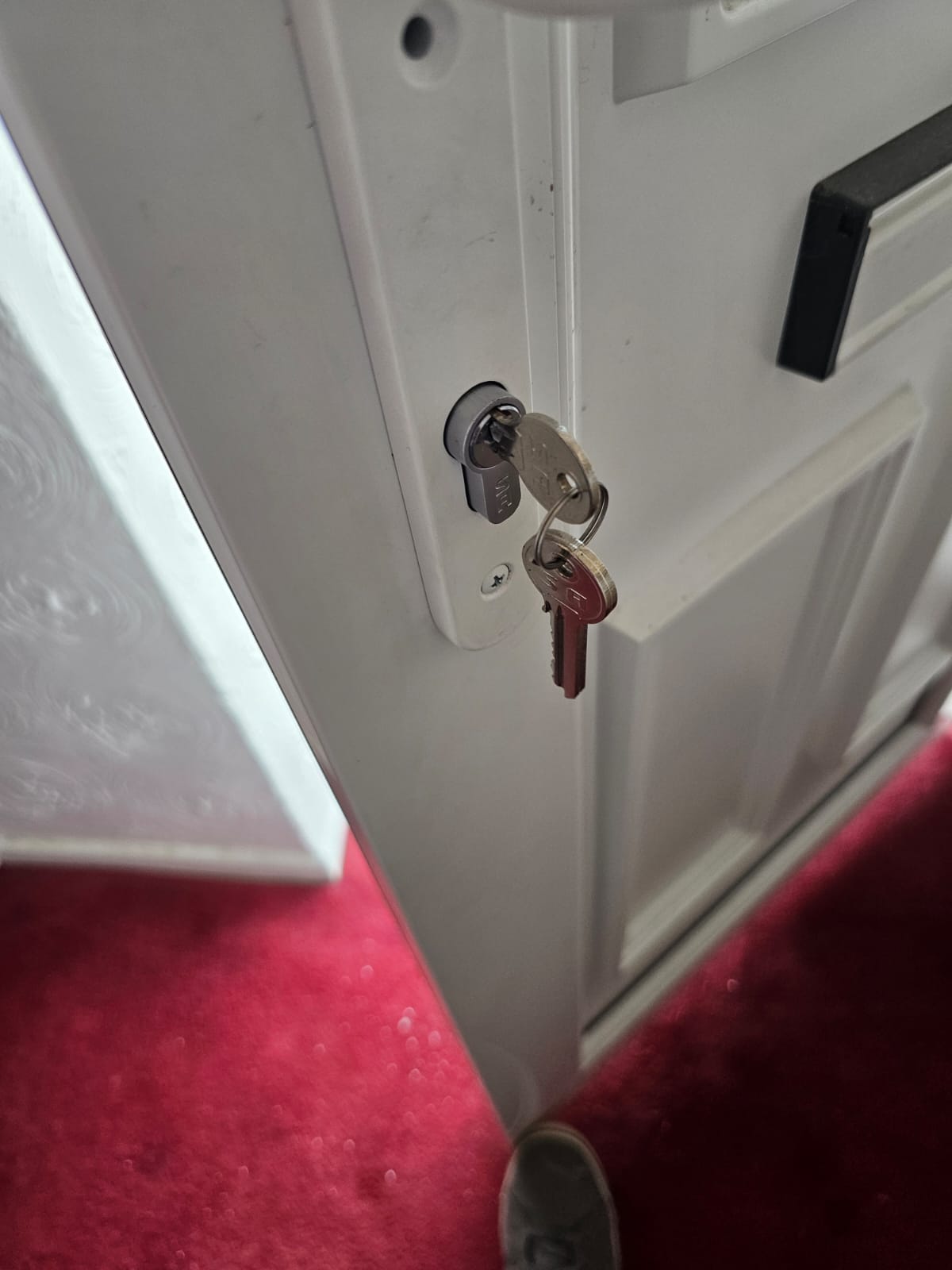
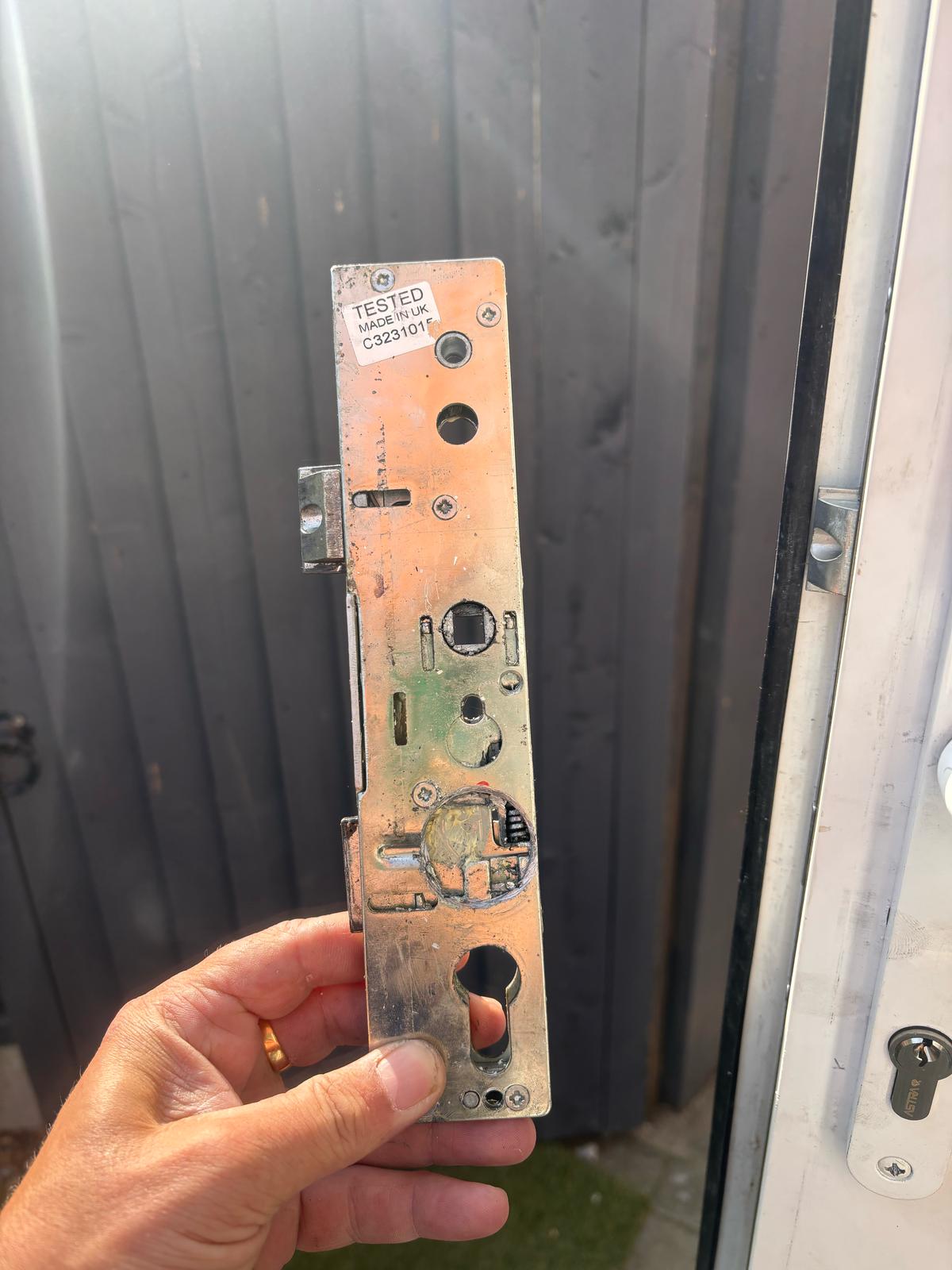
Real jobs. Real results.
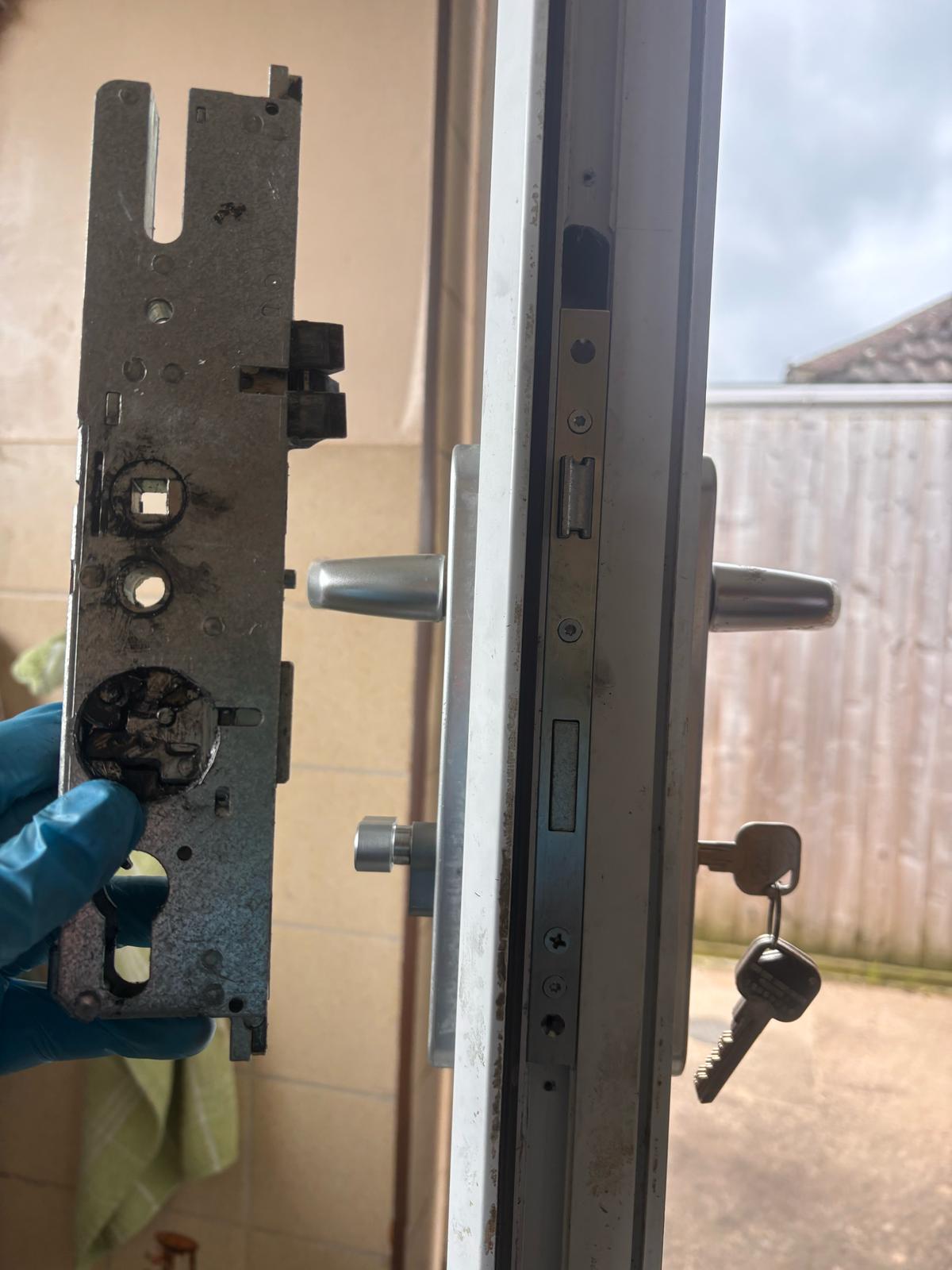
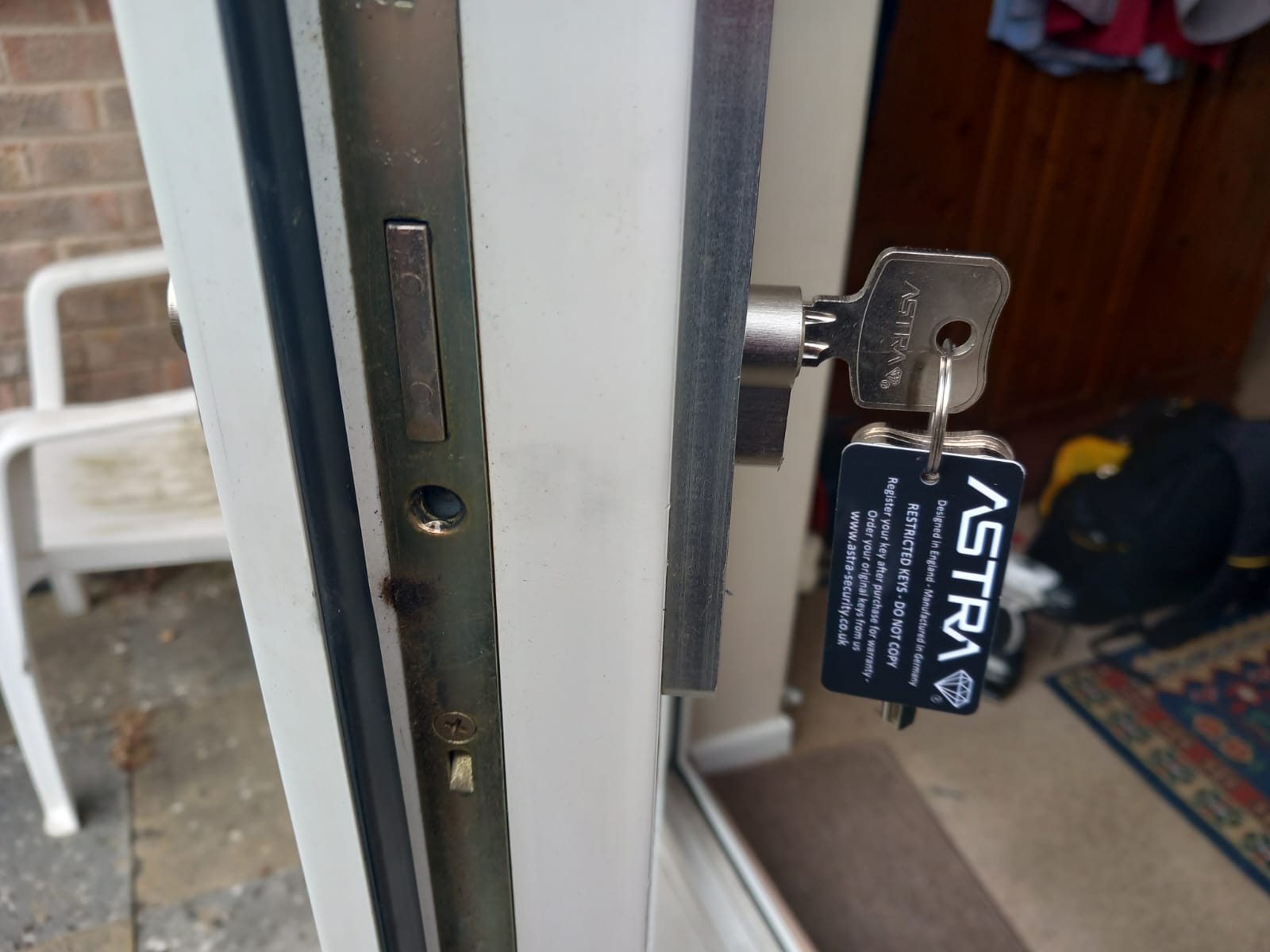
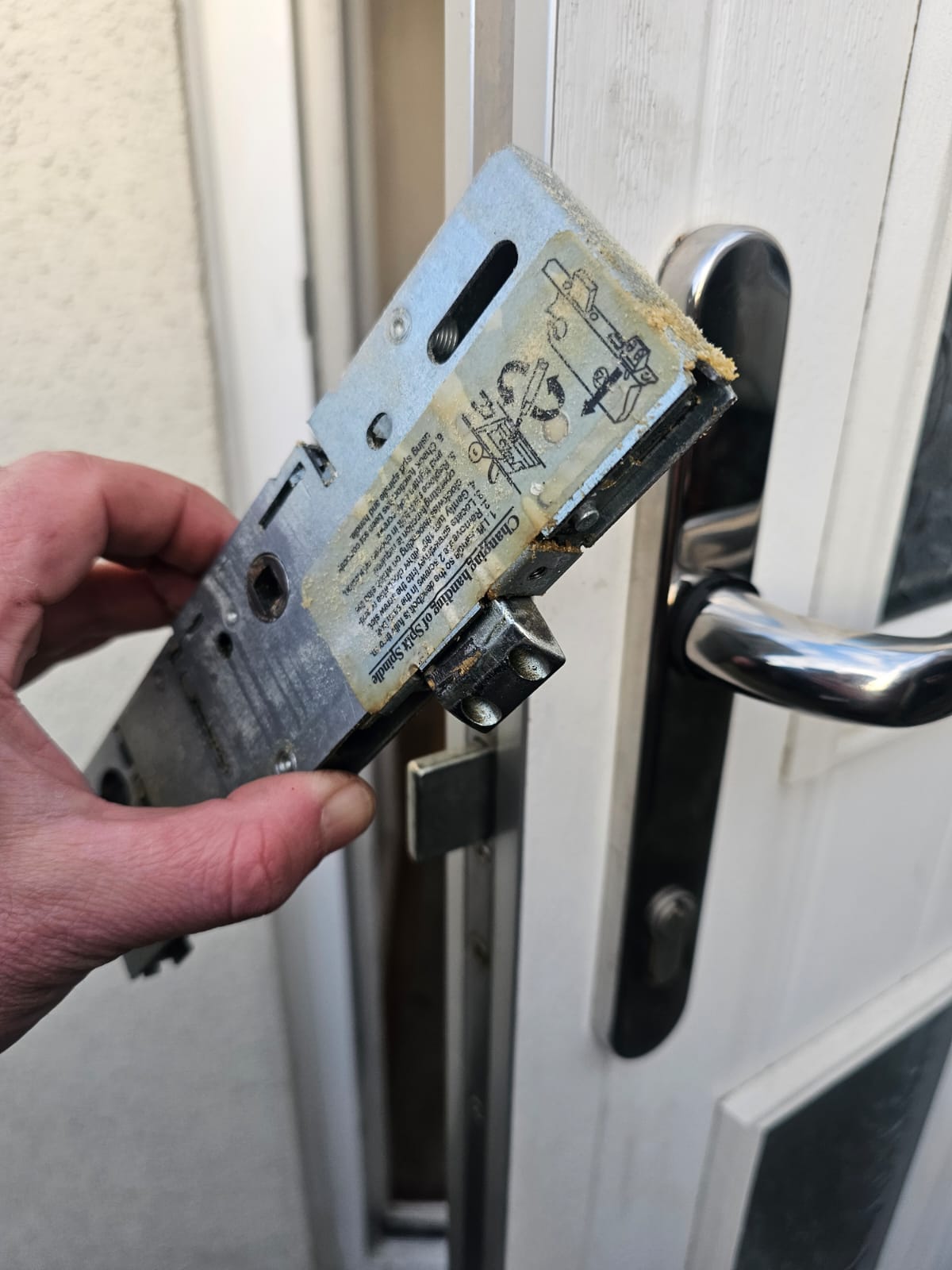
Photos from our engineers’ recent jobs.
Safe opening questions.
Safe Opening — cities we cover.
Safe opening across our network
In the last 12 months our dispatch team sent 194 safe opening callouts to our engineers, from 126 postcode districts: about 4 a week.
We usually quote 40–45 minutes for a safe opening; 55% of these quotes were 45 minutes or less. You get your own arrival time on the phone.
Figures from our dispatch records, October 2025 to September 2026. Counts are callout requests sent to our engineers. How we count